


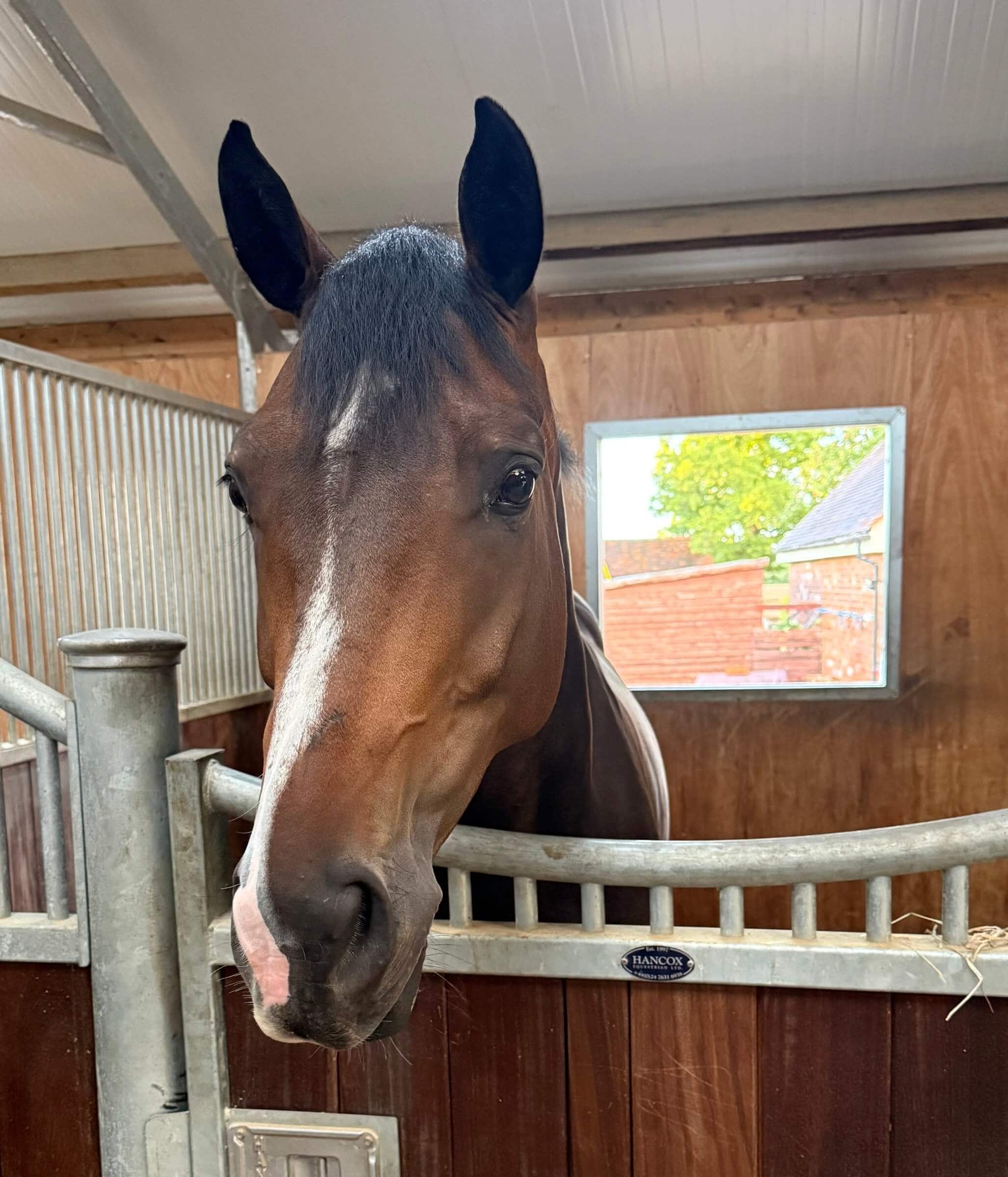
Feeding horses naturally should be simple.Somehow, it’s become anything but.
If you’ve ever stood in your feed room questioning whether you’re getting it right, you’re not alone. Most of the confusion doesn’t come from the horse. It comes from everything that’s been added around it.
This is where things start to change.
Table of Contents
- Where Feeding Goes Wrong (Quietly)
- Start Here: The Horse Doesn’t Need Complexity
- Feeding Naturally Isn’t a Trend. It’s a Return
- Build the Diet the Way the Horse Understands It
- CORE: Because Modern Diets Are Quietly Incomplete
- FLOW: Because the Gut Sits Behind Everything
- MOVE: Because Longevity Is Built, Not Bought
- Energy the Simple Way: Oats and FLAX
- What Feeding Horses Naturally Actually Looks Like
- Common Feeding Mistakes (and Why They Happen)
- A Quiet Shift That Changes Everything
- FAQs
Where Feeding Goes Wrong (Quietly)
| Situation | Reality |
|---|---|
| Feeding more to fix a problem | The base diet was never properly built |
| Adding supplements for reassurance | Trying to correct symptoms, not structure |
| Chasing condition or energy | Missing consistency and balance underneath |
| Changing feeds regularly | No clear system guiding decisions |
| Doing everything “right” on paper | Not aligned with how the horse actually functions |
“Feed them naturally.”
It’s a phrase that gets used a lot. It sounds good. It feels right.
But somewhere along the way, it’s also become confused. Overcomplicated. Wrapped up in trends, rules, and rigid ideas that don’t always serve the horse in front of you.
So let’s reset it.
Because feeding naturally isn’t about perfection.
It’s about principles.
And more importantly it’s about getting the fundamentals right.
Start Here: The Horse Doesn’t Need Complexity
Before anything else, remember this:
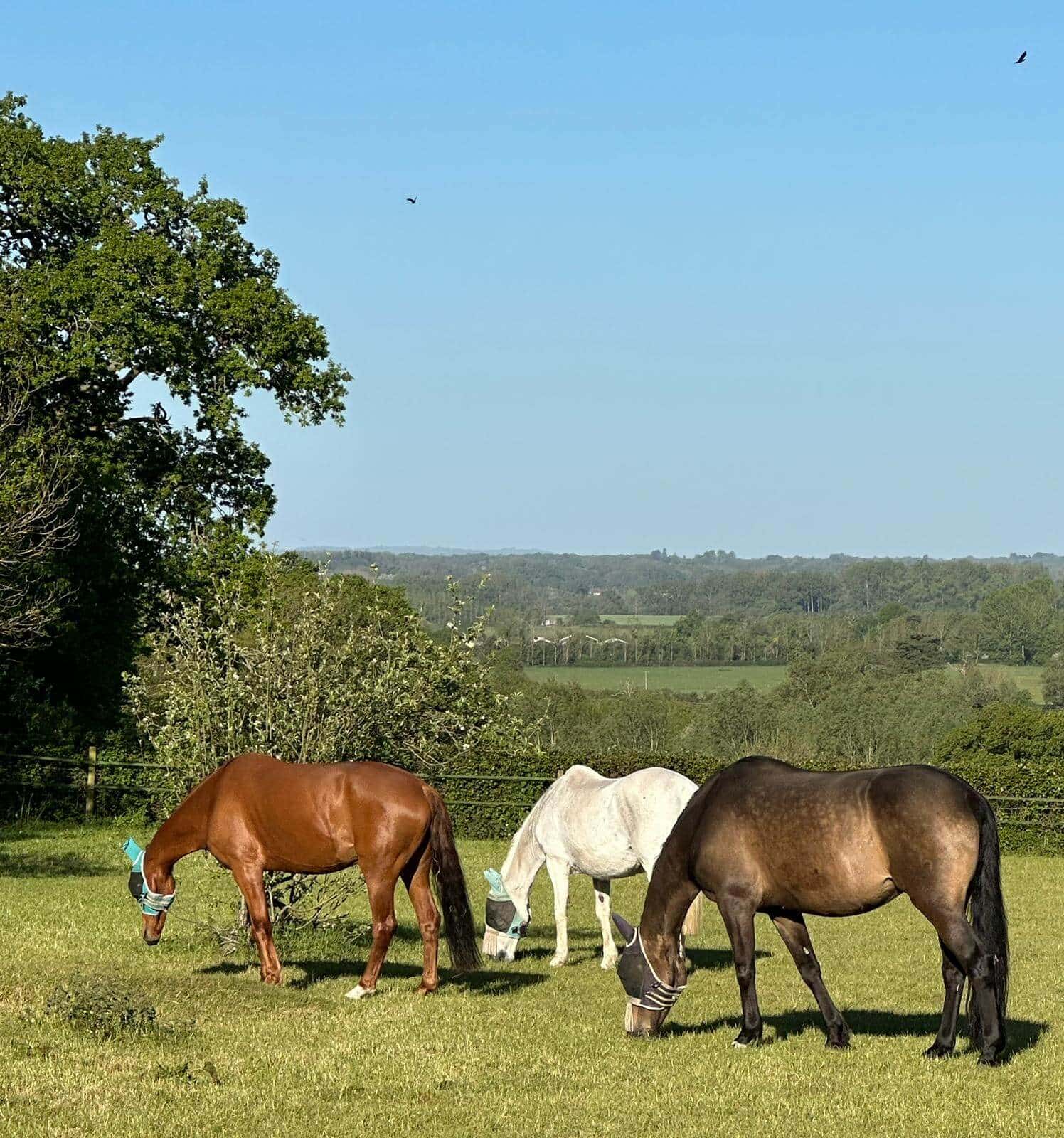
The horse’s digestive system hasn’t changed.
The industry around it has.
Horses are designed to
Eat little and often
Consume predominantly fibre
Ferment forage in the hindgut
Move while they eat
That’s it.
They are not designed for
Large, infrequent meals
High starch, heavily processed feeds
Constant chopping and changing
Layer upon layer of supplements trying to compensate for an unbalanced base diet
Yet this is where many feeding programmes end up.
Not because owners don’t care but because the system has become noisy.
Feeding Naturally Isn’t a Trend. It’s a Return
At Absolute Fundamentals, we don’t see natural feeding as a label.
We see it as a return to first principles
Forage first
Balance what’s missing
Support the system, not the symptom
Keep it simple enough to be done properly
Because when the foundation is right, you stop firefighting.
Build the Diet the Way the Horse Understands It
Forage as the Non Negotiable Base
Everything starts here.
Ad lib grass, hay or haylage should form the bulk of the diet. Not as an afterthought as the foundation.
To support this properly, adding structured fibre sources for example like:
Alfalfa-mazing
Grass-tastic
FibreFabulous
from Emerald Green Feeds allows you to build on forage, not replace it.
These aren’t there to complicate things. They’re there to
Extend fibre intake
Support normal digestive function
Provide a consistent, fibre based base when grazing isn’t enough
This is what feeding horses naturally actually looks like in a modern setting.
CORE: Because Modern Diets Are Quietly Incomplete
Here’s the part no one likes to admit:
Even when you’re feeding “well”, something is often missing.
Modern forage isn’t what it used to be.
Soils are depleted.
Management is restricted.
And horses can end up with nutritional gaps that show up over time as
Poor hoof quality
Dull coats
Low energy or inconsistent performance
Subtle behavioural changes
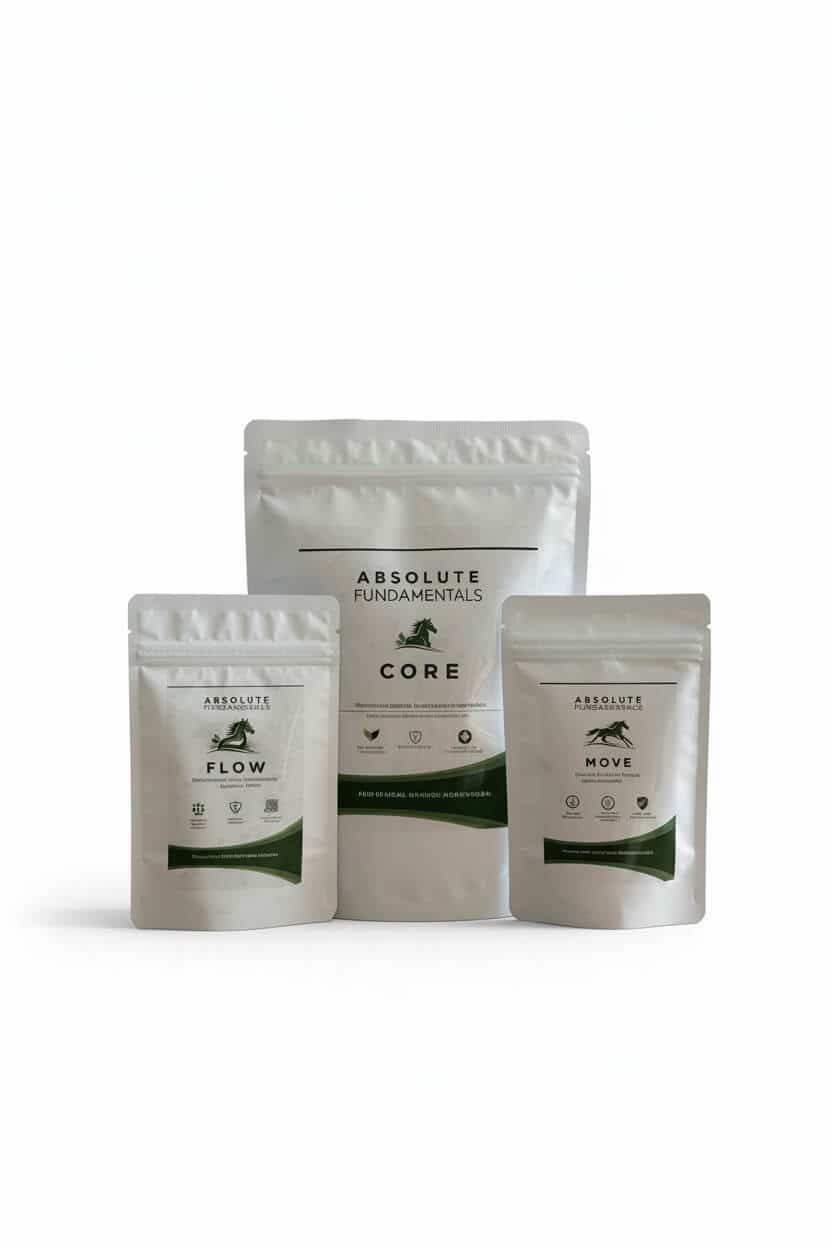
CORE exists to fix the foundation properly.
Not with noise.
Not with inflated labels.
Not with unnecessary synthetics.
Just what should already be there delivered in a way the horse can actually use.
When CORE is in place, you’re no longer guessing.
You’re no longer patching holes.
You’re building from a position of strength.
FLOW: Because the Gut Sits Behind Everything
You cannot talk about feeding horses naturally without talking about the gut.
Because the gut is where
Nutrients are absorbed
Microbes regulate digestion
Behaviour is influenced
Internal balance is maintained
And it doesn’t take much to disrupt it
Sugar and starch
Stress
Medication
Inconsistent feeding
FLOW supports the environment that keeps everything else working.
Not by throwing things at the problem but by supporting
Microbial balance
Hindgut stability
Mucosal integrity
Digestive efficiency
When the gut is supported properly, the rest of the system follows.
MOVE: Because Longevity Is Built, Not Bought
Feeding horses naturally isn’t just about digestion.
It’s about supporting the horse you’re asking to work, perform, carry, and stay sound.
Joints don’t exist in isolation.
They are part of a wider system muscles, tendons, fascia, collagen.
MOVE supports that system.
Not by masking wear and tear but by
Supporting connective tissue integrity
Supporting normal physiological responses to work
Aiding recovery and resilience
Because true soundness isn’t created in a tub after things go wrong.
It’s built daily.
Energy the Simple Way: Oats and FLAX
When more energy is needed, the answer isn’t always another mix.
Often, it’s simpler than that.
Whole oats a traditional, recognisable energy source when used correctly
FLAX cold pressed linseed oil supporting
Coat and skin condition
Overall condition
A more sustained form of energy
No unnecessary processing.
No complicated formulations.
Just inputs the horse’s body understands.
What Feeding Horses Naturally Actually Looks Like
Not
Five different hard feeds
A shelf full of supplements
Constantly changing what you’re doing
But
Forage at the centre
Emerald Green fibre feeds to support it
CORE to balance it
FLOW to support digestive function
MOVE to support the body
FLAX and oats where appropriate
Simple.
Structured.
Effective.
Common Feeding Mistakes (and Why They Happen)
Most feeding mistakes are not made through lack of care.
They come from trying to do the right thing in a system that has become confusing.
Common patterns include
Relying too heavily on hard feed instead of forage
Adding multiple supplements without a clear purpose
Changing feeds too frequently
Feeding for energy before balancing the base diet
Following trends instead of principles
These approaches often come from reacting to what you can see without addressing what sits underneath.
In most cases, the issue starts earlier.
The foundation was never properly built.
A Quiet Shift That Changes Everything
Feeding horses naturally isn’t about going backwards.
It’s about removing the noise that’s crept in and returning to what actually works.
At Absolute Fundamentals, that’s always been the goal
Strip it back
Build it properly
Support the horse in front of you
Because when you get the fundamentals right, everything else becomes easier.
And that’s when you start to see the horse you’ve been trying to support all along.
FAQs
What is the best feed for horses in the UK?
The best feed for horses in the UK is a forage-based diet supported by balanced nutrition. Most horses do best with consistent access to grass, hay or haylage, alongside additional fibre and a nutritional foundation where needed. The right approach depends on the individual horse’s workload, condition and management.
What should I feed my horse daily?
A horse’s daily diet should be based on forage such as grass, hay or haylage, fed little and often. Additional fibre feeds, a balanced nutritional base, and simple energy sources can be included depending on the horse’s needs, workload and condition.
Can horses live on grass and hay alone?
Some horses can live on grass and hay alone, particularly if they have low energy requirements. However, forage does not always provide a complete balance of nutrients, so it is important to ensure the diet meets the horse’s long-term nutritional needs.
What is a natural diet for horses?
A natural diet for horses is fibre-based and built around continuous intake. It includes grass, hay or haylage as the foundation, supported by additional fibre and balanced nutrition where required. The aim is to work with the horse’s digestive system rather than relying on heavily processed feeds.
Do horses need hard feed?
Not all horses need hard feed. Many can maintain condition on a well-managed forage-based diet. Hard feed may be useful for horses with higher energy demands, but it should only be added when required and not used as a replacement for a balanced foundation.
How do I know if my horse’s diet is balanced?
A balanced diet is reflected in consistent condition, good hoof quality, a healthy coat, steady energy levels and stable behaviour. Ongoing inconsistencies in these areas may indicate gaps in the horse’s nutritional foundation.
What are the most common mistakes in horse feeding?
Common mistakes include relying too heavily on hard feed instead of forage, adding multiple supplements without a clear purpose, changing feeds too frequently, and focusing on energy before balancing the base diet. Most issues begin when the foundation is not properly established.
What is the best way to support gut health in horses?
The best way to support gut health in horses is through consistent fibre intake, minimal dietary disruption, and a balanced diet. Supporting a stable digestive environment helps maintain nutrient absorption, digestive efficiency and overall wellbeing.